
9 Foods That Help Reduce Stress (And Why They Work)
Stress isn’t just something you feel in your mind, it shows up in your body too. When you’re under chronic stress, your nervous system, hormones, digestion, and even your nutrient levels are affected. Over time, this can leave you feeling tense, depleted, and emotionally reactive.
The good news? What you eat can either amplify that stress response, or gently bring your system back into balance. Below are 9 science-backed foods that support your nervous system, stabilize stress hormones, and help your body feel safer and more regulated.
1. Fatty Fish (Salmon, Mackerel, Sardines)

Fatty fish are rich in omega-3 fatty acids and vitamin D, both of which play a role in regulating mood and stress hormones. Omega-3s help reduce inflammation in the body and brain, which is important because chronic stress is highly inflammatory. They’ve also been shown to blunt spikes in cortisol, the body’s primary stress hormone.
When stress feels constant or overwhelming, your nervous system is often stuck in “high alert.” Omega-3s help calm that signal, supporting emotional resilience and clearer thinking.
2. Dark Leafy Greens (Spinach, Swiss Chard, Kale)
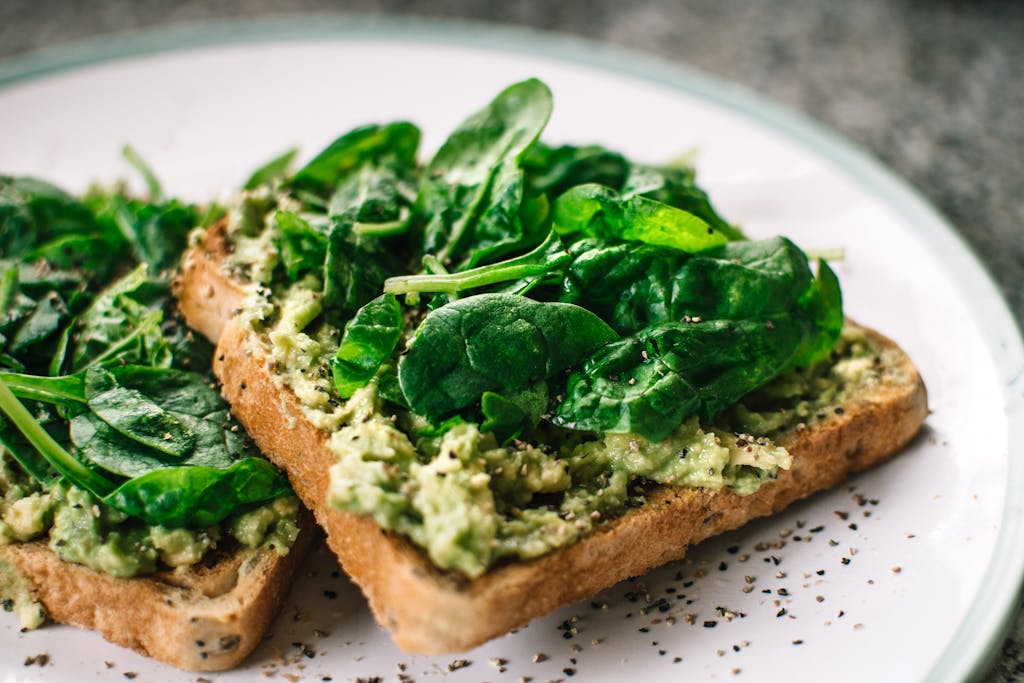
Dark leafy greens are one of the best dietary sources of magnesium, a mineral that many people are deficient in—especially those under stress. Magnesium helps regulate cortisol levels and supports the parasympathetic nervous system (your body’s “rest and digest” mode).
Low magnesium is linked to increased anxiety, muscle tension, and poor sleep. Including leafy greens regularly can help soften the physical tension that stress creates and support a calmer baseline.
3. Dark Chocolate (70% Cacao or Higher)
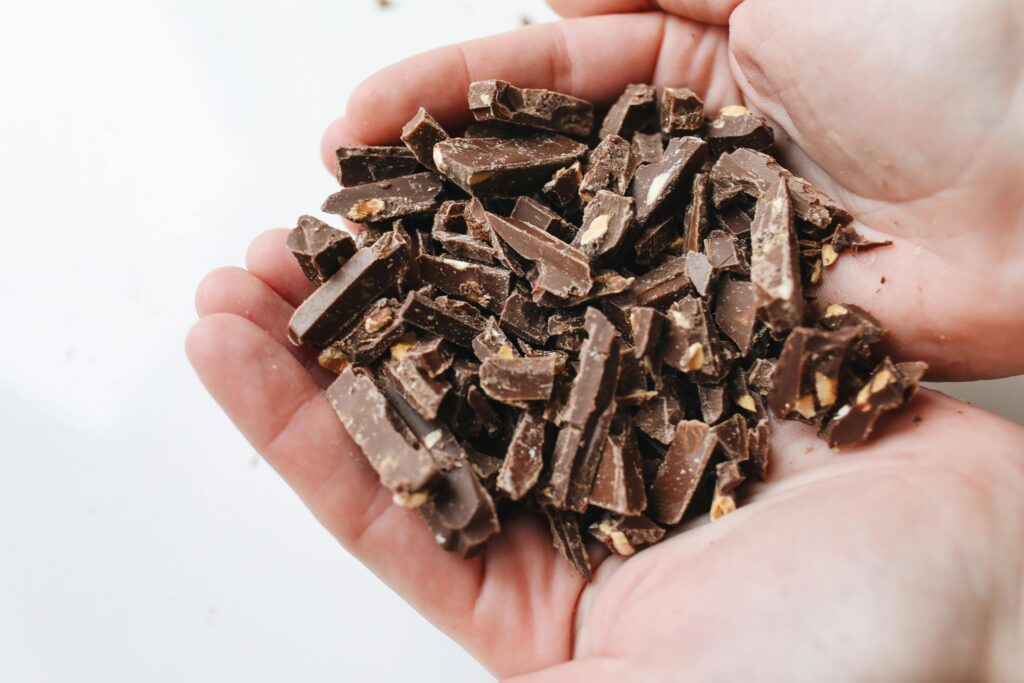
High-quality dark chocolate contains flavonols, antioxidants that improve blood flow to the brain and help protect against oxidative stress. Some studies suggest dark chocolate may reduce cortisol levels and support a more balanced stress response.
Beyond the chemistry, there’s also something important about pleasure. Eating a small amount mindfully can activate reward pathways in the brain, reminding your body that not everything is urgent or threatening.
4. Fermented Foods (Yogurt, Kefir, Kimchi, Sauerkraut)

Your gut and brain are in constant communication through the gut-brain axis. Fermented foods provide probiotics, which help support a diverse and healthy gut microbiome—something strongly linked to improved mood and reduced anxiety.
Chronic stress can disrupt gut bacteria, which in turn can worsen stress and emotional symptoms. Fermented foods help rebuild that balance, supporting both digestion and mental well-being.
5. Complex Carbohydrates & Whole Grains (Oatmeal, Brown Rice, Lentils)
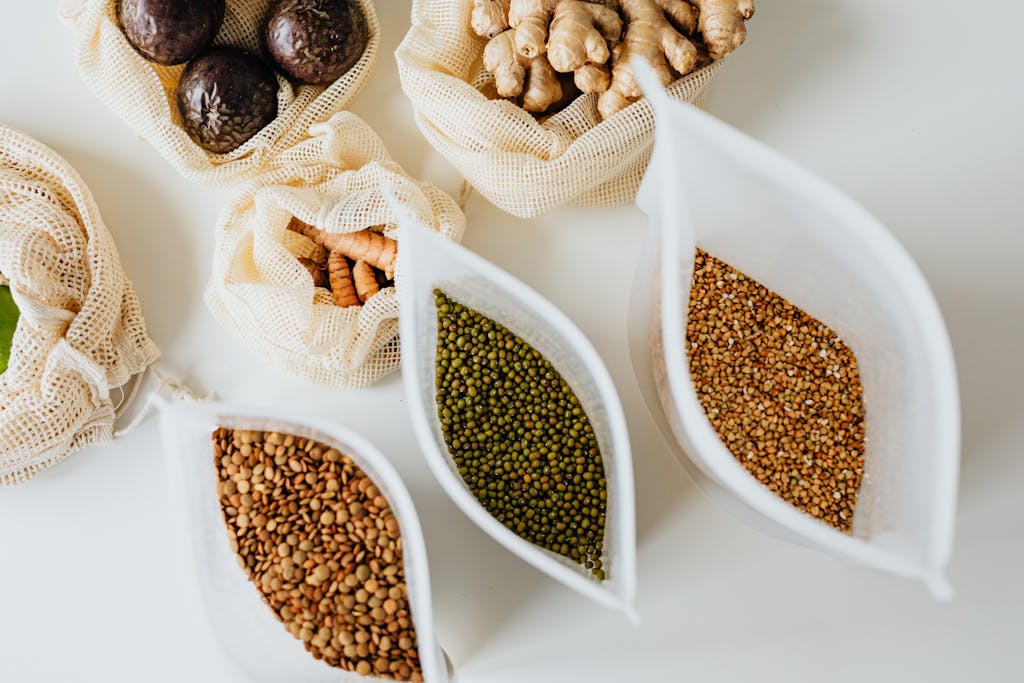
Complex carbohydrates provide a steady release of energy, helping prevent blood sugar crashes that can trigger irritability, anxiety, and fatigue. They also contain tryptophan, an amino acid the body uses to produce serotonin—a neurotransmitter associated with calmness and emotional stability.
When you’re stressed, your body craves quick energy. Whole grains offer grounding, sustained nourishment instead of the spike-and-crash cycle that refined carbs can create.
6. Nuts & Seeds (Almonds, Walnuts, Pumpkin Seeds, Chia Seeds)
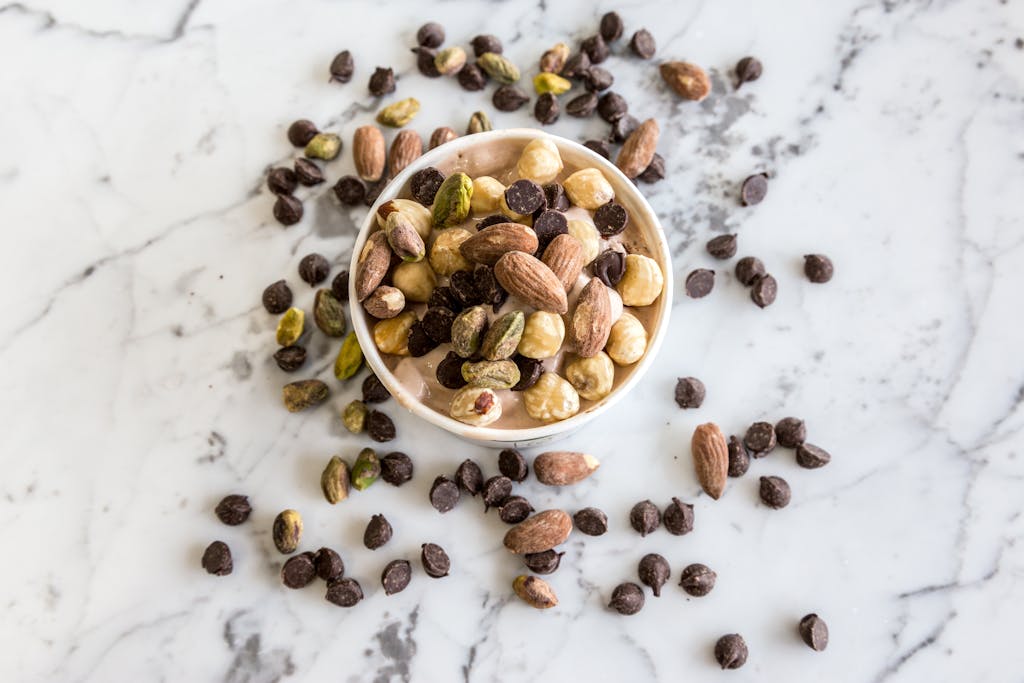
Nuts and seeds are small but powerful. They provide healthy fats, B vitamins, magnesium, zinc, and vitamin E, all of which support nervous system function and stress resilience.
B vitamins, in particular, are essential for energy production and neurotransmitter balance. When stress depletes these nutrients, you may feel mentally exhausted or emotionally fragile. Nuts and seeds help replenish what stress takes away.
7. Fruits (Berries, Oranges, Bananas, Avocados)
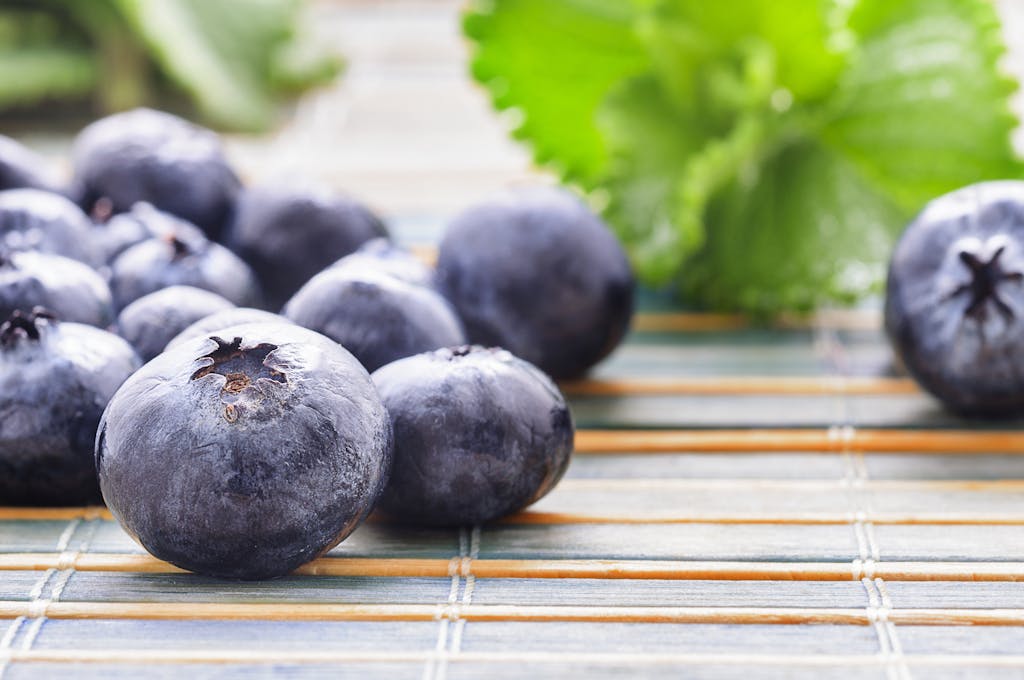
Fruits support stress reduction in different ways depending on the type.
- Vitamin C (found in oranges and berries) has been shown to lower cortisol levels.
- Potassium (in bananas and avocados) helps regulate blood pressure and counteract stress-related tension.
- Antioxidants protect cells from stress-induced damage.
Fruits are also hydrating and naturally sweet, offering gentle energy without overwhelming your system.
8. Green Tea & Chamomile Tea
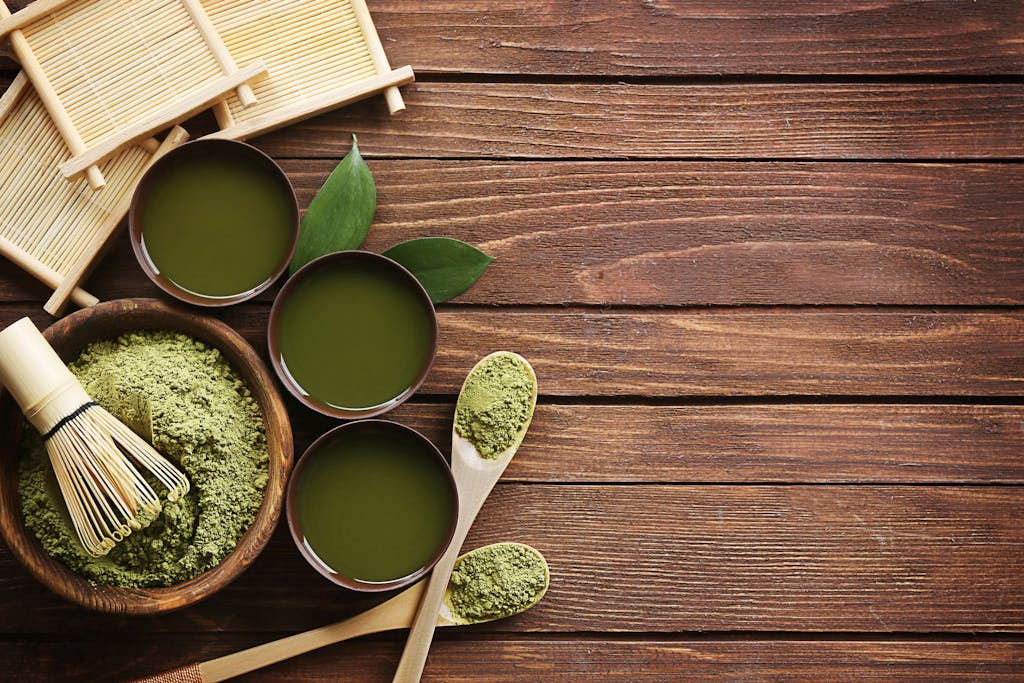
Green tea contains L-theanine, an amino acid that promotes relaxation while maintaining alertness—helpful if stress makes you feel wired but tired. Chamomile, on the other hand, is naturally caffeine-free and traditionally used to calm the nervous system and support sleep.
The ritual matters too. Pausing to sip something warm sends a signal of safety to your body, helping shift you out of constant “doing” mode.
9. Eggs
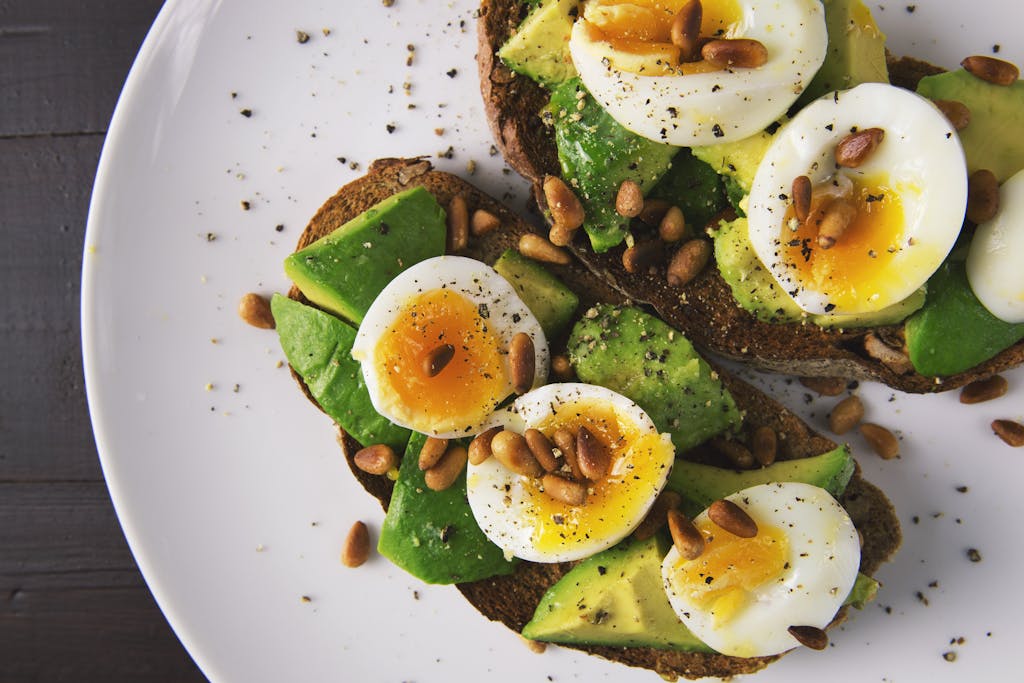
Eggs are a nutrient-dense food rich in protein, vitamin D, choline, and tryptophan—all important for brain health and mood regulation. Protein helps stabilize blood sugar, which is key for emotional steadiness, while tryptophan supports serotonin production.
When meals are unbalanced or skipped, stress hormones rise. Eggs provide grounding nourishment that supports both physical and mental stability.
Reducing stress isn’t about perfection or “eating right” all the time. It’s about supporting your nervous system consistently, especially during demanding seasons of life. These foods don’t eliminate stress, but they help your body respond to it with more stability, resilience, and ease.
If stress has been feeling heavy lately, this can be one small, compassionate place to start.